Bee Keeping and Honey Processing – Rosa Care Organisation
Location: Chirasauta Village, Chikomba, Mashonaland Central, Zimbabwe
Healthy ecosystems support more than biodiversity – they also create opportunities for communities to thrive. In Chirasauta Village, women and youth are learning how beekeeping can generate income, strengthen local agriculture, and support environmental stewardship.
The Context
Across many rural communities, limited access to sustainable livelihood opportunities can make it difficult for young people and women to build long-term economic security. At the same time, communities depend on healthy ecosystems and pollinators to support agriculture, food production, and biodiversity. Creating income-generating opportunities that also strengthen environmental resilience is essential for both people and nature.
The Solution
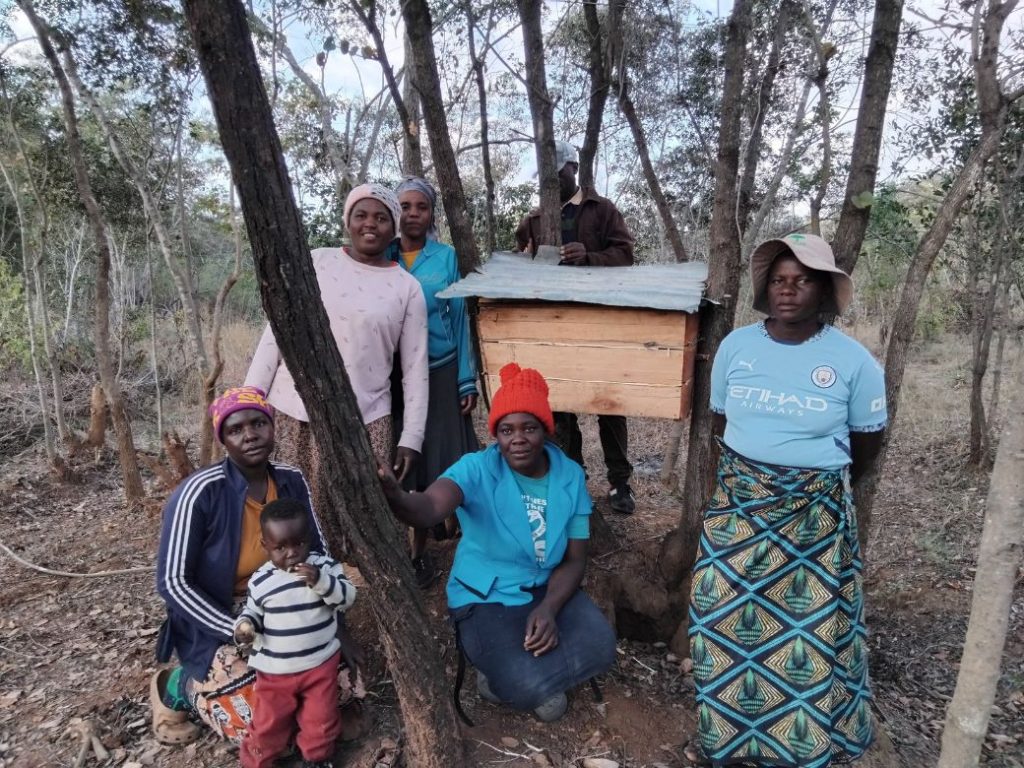
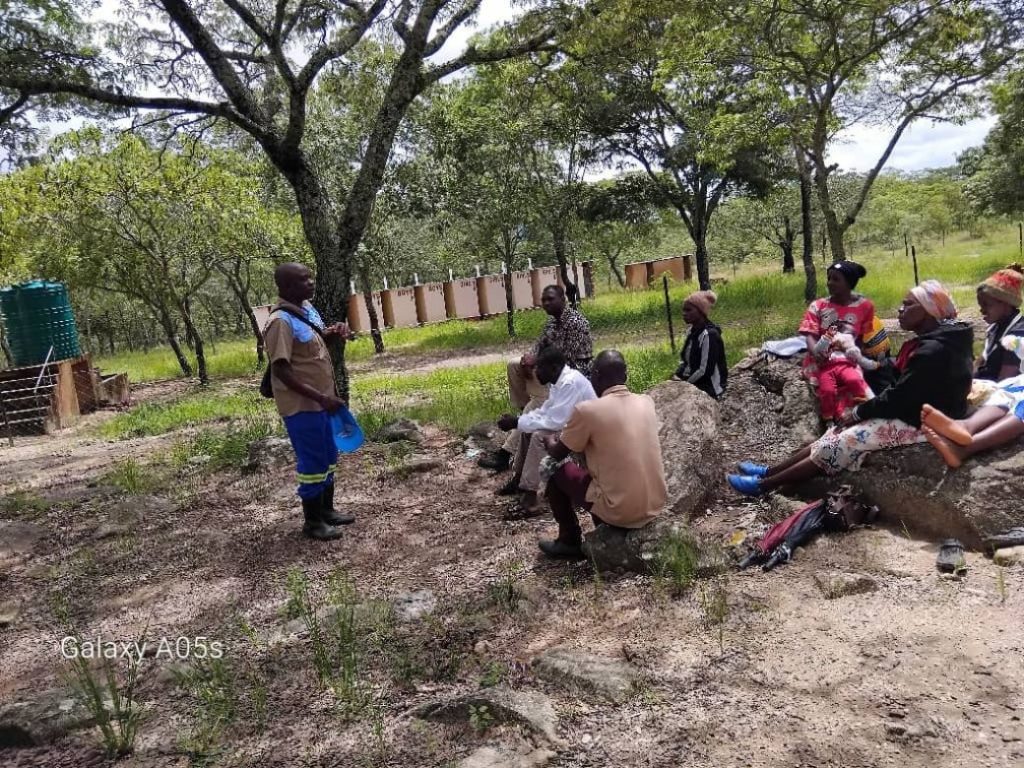
Rosa Care Organisation is supporting women and youth in Chirasauta Village to develop a community-led beekeeping and honey processing enterprise. Through technical training, mentorship, and the establishment of communal apiaries, participants are gaining the skills needed to manage beehives, harvest honey, and build sustainable businesses. This quarter, the team secured land for the apiary, engaged village leaders, introduced a beekeeping facilitator, and completed the first training sessions on bee ecology, environmental stewardship, and apiary management.
Targets
10-15
Women and Youth Trained
5
Communal Apiaries Established
50
Beehives Installed
100kg
Of Honey Produced
Sustainable Development Goals
The Bee Keeping and Honey Processing Project contributes to the following United Nations Sustainable Development Goals:
5 (Gender Equality)
8 (Decent Work and Economic Growth)
13 (Climate Action)
15 (Life on Land)
17 (Partnerships For the Goals)
By linking biodiversity, entrepreneurship, and community development, the project demonstrates how nature-positive livelihoods can create lasting impact.
Follow Us
Follow ROSA Care Organisation as they work alongside women and youth to build sustainable livelihoods through beekeeping and honey production.